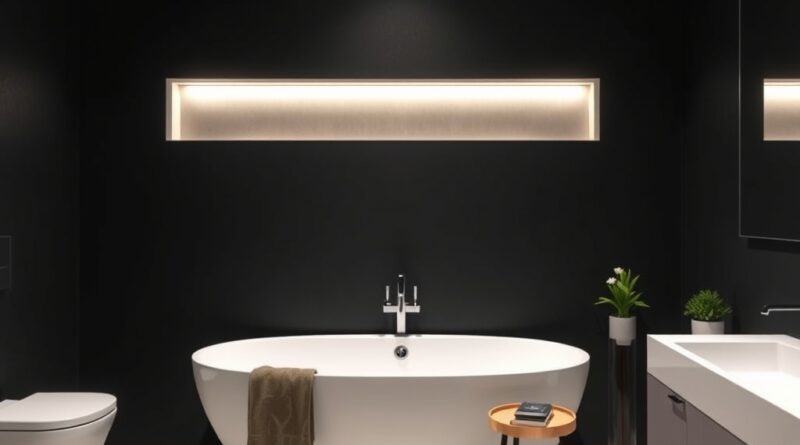
Bathroom Renovation Sydney: A Comprehensive Guide to Transforming Your Space
Bathroom Renovation Sydney: A Comprehensive Guide to Transforming Your Space
Learn more about Bathroom Renovation Sydney and how it applies to your specific needs.
Undertaking a project is one of the most rewarding home improvements you can make. Not only does it enhance your daily comfort, but it also significantly boosts property value. Whether you are updating a dated ensuite or completely reimagining a family bathroom, the process requires careful planning, skilled trades, and a clear vision. In this guide, we explore every aspect of renovating a bathroom in Sydney, from design inspiration and budgeting to choosing the right professionals and managing timelines.
Why Renovate Your Bathroom in Sydney?
Learn more about Bathroom Renovator and how it applies to your specific needs.
Bathrooms are high-traffic areas that endure moisture, temperature changes, and daily wear. Over time, tiles crack, fixtures leak, and layouts become outdated. A well-executed renovation not only fixes these issues but also introduces modern materials, water-efficient fixtures, and improved storage. Sydney homeowners often seek to maximise small spaces, incorporate natural light, and create a spa-like retreat. With the right , you can achieve a seamless blend of style and functionality.
Planning Your Bathroom Renovation Sydney Project
Before demolition begins, thorough planning is essential. Start by assessing your needs: Do you require more storage? Better lighting? A larger shower? Consider the existing plumbing layout—moving pipes can increase costs significantly. Set a realistic budget that includes materials, labour, permits, and a contingency for unexpected issues. Research local suppliers and showrooms to compare tiles, vanities, and tapware. Create a mood board to define your aesthetic—whether it is minimalist, industrial, or classic. Remember, a successful project often starts with a detailed plan.
Design Trends for Sydney Bathrooms
Sydney bathrooms often embrace a coastal, airy feel with neutral palettes and natural textures. Subway tiles remain popular, but large-format porcelain slabs are gaining traction for their sleek, low-maintenance surfaces. Floating vanities create an illusion of space, while frameless glass showers enhance openness. Smart technology—such as heated floors, LED mirrors, and digital showers—adds luxury. For a timeless look, pair matte black fixtures with warm timber accents. Your can incorporate these trends while respecting your home’s architectural character.
Budgeting and Cost Considerations
Bathroom renovation costs in Sydney vary widely based on size, scope, and material choices. A standard 5-square-metre bathroom can range from $15,000 to $30,000, while larger or high-end projects may exceed $50,000. Key expenses include waterproofing (mandatory by law), tiling, plumbing, electrical work, and cabinetry. To save money, consider keeping the existing layout, refinishing rather than replacing the bathtub, and sourcing materials during sales. Always obtain multiple quotes from licensed tradespeople. Investing in quality workmanship pays off in durability and resale value.
Choosing the Right Professionals
Selecting an experienced team is crucial. Look for a licensed builder or renovator with specific bathroom expertise. Check references, view past projects, and ensure they have public liability insurance and a warranty for their work. A good contractor will handle permits, coordinate trades, and keep you informed throughout the process. Communication is key—ask questions about timelines, materials, and potential challenges. The right will turn your vision into reality with minimal stress.
Step-by-Step Renovation Process
Learn more about House Renovations and how it applies to your specific needs.
1. Design and Approval: Finalise plans, select materials, and obtain council approvals if needed. 2. Demolition: Remove old fixtures, tiles, and cabinetry. 3. Rough-in Work: Plumbers and electricians reroute pipes and wires. 4. Waterproofing: Apply waterproof membrane to wet areas. 5. Tiling and Flooring: Install tiles, ensuring proper sloping for drainage. 6. Fixtures and Fittings: Mount vanity, toilet, shower, and tapware. 7. Finishing Touches: Add mirrors, lighting, shelving, and accessories. 8. Final Inspection: Check all work meets building codes. This structured approach, guided by a skilled team, ensures a smooth outcome.
Permits and Regulations in Sydney
In Sydney, bathroom renovations often require a development application (DA) or complying development certificate (CDC) if structural changes are involved. However, cosmetic updates like replacing tiles and vanities usually do not need approval. Always verify with your local council. Additionally, all electrical and plumbing work must be carried out by licensed professionals, and waterproofing must comply with Australian Standard AS 3740. Non-compliance can lead to costly rectifications and insurance issues. A reputable contractor will handle these requirements.
Maximising Small Bathroom Spaces
Many Sydney homes have compact bathrooms. To make the most of limited square footage, use light colours, large mirrors, and glass shower screens. Wall-mounted toilets and vanities free up floor space. Consider a corner sink or a sliding door to improve flow. Vertical storage—such as recessed niches and tall cabinets—keeps essentials organised without clutter. Good lighting, especially layered ambient and task lighting, makes the room feel larger. These strategies, combined with expert services, can transform even the smallest space.
Sustainable and Water-Efficient Choices
Environmental consciousness is growing among Sydney homeowners. Opt for water-efficient taps, dual-flush toilets, and low-flow showerheads to reduce consumption. Choose sustainable materials like bamboo vanities, recycled glass tiles, or low-VOC paints. Natural stone and porcelain are durable and long-lasting. Proper insulation and ventilation reduce energy use and prevent mould. Many councils offer rebates for water-saving fixtures. Incorporating these elements into your benefits both the planet and your utility bills.
Common Mistakes to Avoid
Rushing into a renovation without a clear plan often leads to overspending and regret. Avoid these pitfalls: neglecting waterproofing, skimping on ventilation, choosing trendy materials that age quickly, and underestimating storage needs. Also, do not change the layout without considering plumbing costs. Hiring unlicensed trades can result in shoddy work and legal issues. Finally, avoid making all decisions based on price alone—quality materials and skilled labour are worth the investment. Learning from others’ mistakes ensures your is a success.
FAQs
How long does a bathroom renovation in Sydney typically take?
Most bathroom renovations take between 3 to 6 weeks from demolition to completion, depending on the scope of work, material availability, and contractor schedule. Simple cosmetic updates may be quicker, while full structural changes can extend the timeline.
Do I need council approval for a bathroom renovation in Sydney?
Cosmetic renovations like replacing tiles, vanities, and fixtures usually do not require approval. However, if you are moving walls, changing plumbing, or altering the structure, you may need a development application or complying development certificate. Always check with your local council.
What is the most expensive part of a bathroom renovation?
Labour costs, including plumbing, electrical work, tiling, and waterproofing, typically account for 40–60% of the budget. High-end materials such as natural stone, custom cabinetry, and premium fixtures can also significantly increase expenses.
How can I save money on a bathroom renovation in Sydney?
To reduce costs, keep the existing layout to minimise plumbing changes, choose mid-range materials, refinish rather than replace the bathtub, and obtain multiple quotes. Doing some demolition yourself (if safe) and purchasing materials during sales can also help.
What should I look for when hiring a bathroom renovator?
Look for a licensed contractor with specific bathroom experience, positive client reviews, and proof of insurance. Ask for a detailed written quote, timeline, and warranty. Good communication and a portfolio of past work are essential indicators of reliability.