Birdsong Before Breakfast: Wildlife at Dandeli Jungle Resorts
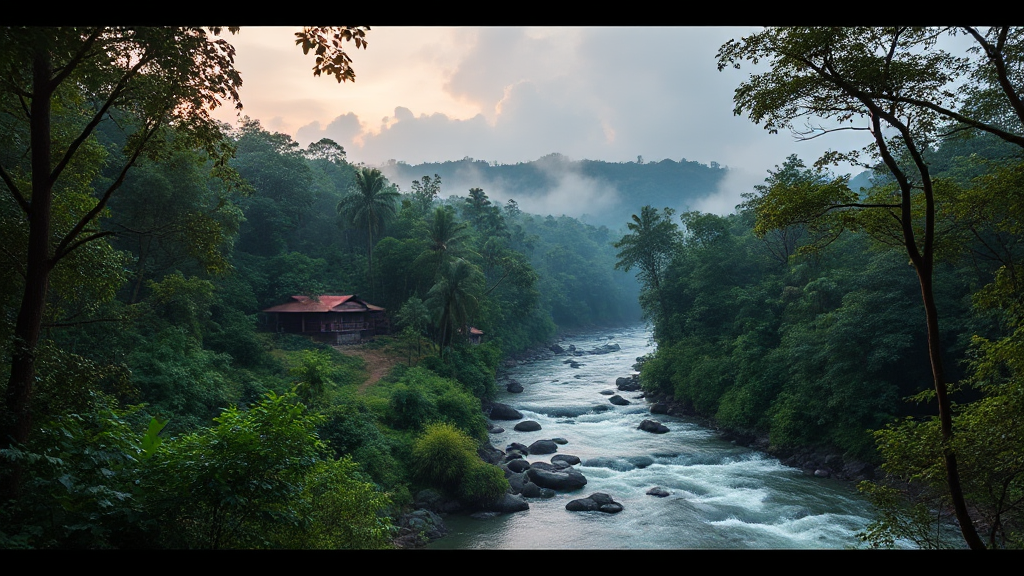
Long before the first cup of coffee is poured, the forest around Dandeli begins its daily roll call. A Malabar whistling thrush sends its eerie, human-like whistle across the mist, a racket-tailed drongo answers from a nearby canopy, and somewhere deeper in the trees a hornbill lands heavily on a branch. If you choose your stay carefully, you can hear all of this from your cottage veranda without ever leaving your room. That is the quiet promise of the best dandeli jungle resorts — not just a bed in the forest, but a front-row seat to the wildlife that lives there.
I am not a professional ornithologist. I am simply someone who travels with binoculars, a notebook, and a stubborn habit of waking up before sunrise. Over several stays in the Dandeli region of Karnataka, I have learned that the difference between a good wildlife experience and a great one usually comes down to three things: where your resort sits, what time you step outside, and how quietly you behave when you do. This article is organized around those rhythms, moving through the day from first light to nightfall, with notes on ethical viewing woven in along the way.
Dawn in the Canopy: Why Location Matters More Than Luxury
The first hour of daylight is the most productive for birdwatching in Dandeli, and it is also the hour when your resort’s location matters most. Properties tucked deep into the forest edge, rather than along the main road, tend to have a wider buffer of trees between the cottages and the outside world. That buffer is what keeps the birdsong loud and the human noise low. When I stayed at one of the jungle stays listed on the dandeli jungle resorts booking pages, the difference was immediate: no traffic hum, no generator drone, just the layered calls of the forest waking up.
What you hear at dawn depends heavily on the season. In the cooler months from November to February, the air is crisp and sound carries beautifully, making it easy to identify calls from a distance. The pre-monsoon weeks of March and April bring a different energy — the forest is alive with nesting activity and the urgent calls of birds establishing territory. By June, the rains transform everything, and the chorus becomes a backdrop to the drumming of rain on leaves.
If you are new to this, do not worry about identifying every species on your first morning. Simply sit still and listen. The Malabar whistling thrush, with its uncanny human-like whistle, is usually the first voice you will learn to recognize. Shortly after, the harsh, metallic calls of the racket-tailed drongo and the soft cooing of doves join in. Within twenty minutes, you will have heard more species than you can count on one hand.
Midday Quiet: Tracking Mammals Without Disturbing Them
As the morning warms up, bird activity drops and the forest settles into a hush. This is the time when many visitors retreat to their cottages for a nap, but it is also a good window for slow, silent walks along the edges of the property. Midday is when you are most likely to spot mammals going about their business — a Malabar giant squirrel leaping between branches, a mongoose crossing a forest path, or the distant grey shape of a gaur moving through the undergrowth.
The key word here is distant. Dandeli’s wildlife is genuinely wild, and the most ethical way to watch it is to keep your distance and let the animals decide how close they want to be. I have had far better sightings by standing still at a respectful distance than by trying to follow an animal for a better angle. A good jungle resort will have naturalists or staff who understand this and can point you toward trails and viewpoints where animals are known to pass without being pressured.
This is also the time to pay attention to the smaller things. Butterflies become active as the day warms, and the forest floor reveals a surprising amount of life if you slow down enough to notice it. Carry water, wear muted colors, and keep your voice low. The forest rewards patience far more than it rewards enthusiasm.
Dusk and the Art of Ethical Viewing
Late afternoon brings the second great shift of the day. As the light softens, birds return to their roosts and nocturnal animals begin to stir. The calls change character entirely — the whistling thrush gives way to the calls of nightjars and the rustle of creatures emerging from hiding. Many resorts offer guided evening walks or nature drives, and this is where the quality of your stay really shows. A guide who knows when to stop, when to switch off a torch, and when to simply wait will give you a far richer experience than one who chases sightings.
Ethical viewing is not about deprivation. It is about small choices that add up: keeping a sensible distance, never using flash photography on animals, avoiding loud conversation, and respecting the boundaries that resort staff set around sensitive areas. The forest around Dandeli is home to species that are shy by nature, and every quiet, respectful encounter leaves the animal a little more willing to be seen next time.
One of the most underrated pleasures of a jungle stay is simply sitting on your veranda as the light fades, listening to the forest transition from day to night. You do not need a guide for that. You just need to be present, and to resist the urge to fill the silence with conversation.
Planning Your Stay Around the Wildlife Calendar
If wildlife is your main reason for visiting, it helps to think about your trip in terms of seasons and daily rhythms rather than a checklist of species. The dry months from October to February offer comfortable temperatures, clear visibility through the trees, and excellent birdwatching. The hotter weeks of March and April are rewarding for nesting activity but demand early starts and midday rest. The monsoon months from June to September transform the forest into a lush, green world, though some activities are limited by weather.
Within any season, structure your day around the forest’s schedule rather than your own. Be outside at first light. Rest during the heat of midday. Return to the forest edge in the late afternoon. Eat dinner early and spend the last hour before sleep listening rather than scrolling. This rhythm is what turns a weekend getaway into a genuine wildlife experience.
It also helps to choose a resort that treats the forest as more than a backdrop. The properties featured on the dandeli jungle resorts site are built around the idea that guests come for the nature first and the comforts second — and that the two can coexist when the property is managed with care. Ask about guided walks, birding-friendly locations, and quiet zones before you book. A good resort will be happy to tell you exactly what you can expect to see and hear.
Finally, bring a notebook. Not for a formal species list, but for the small observations that make a trip memorable: the exact time the first call arrived, the way the mist lifted off the trees, the moment a hornbill landed close enough to hear its wings. Those notes will bring the trip back to you long after you have returned home — and they will remind you why the quietest hours in a Dandeli jungle resort are always the ones worth waking up for.