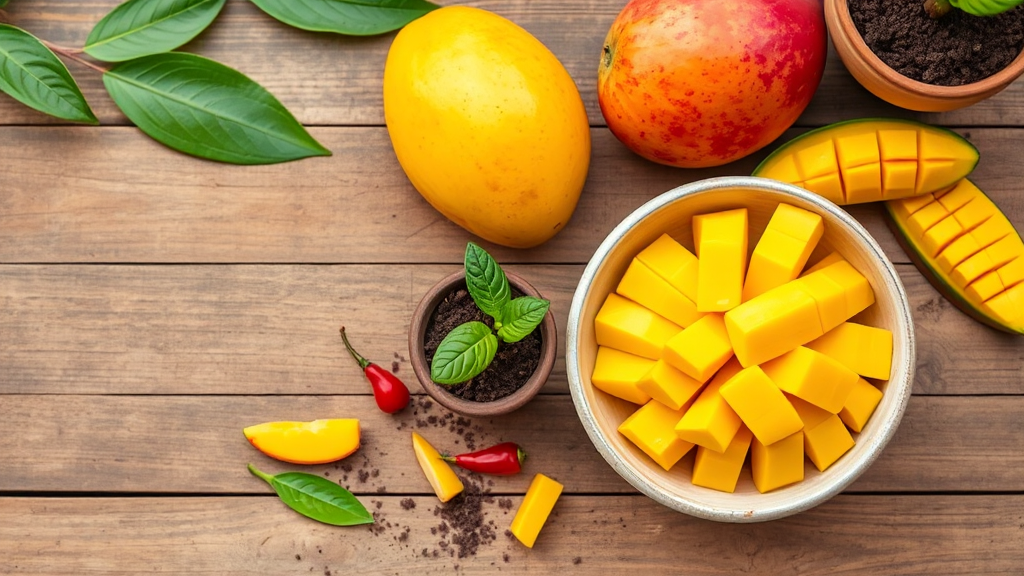
Mango Recipes Health Benefits and Growing Tips: A Home Gardener’s Guide to Sweet Success
There’s something magical about biting into a perfectly ripe mango—the juice trickling down your chin, the floral sweetness, the velvety texture. For many of us, mangoes are more than just fruit; they’re a gateway to cherished memories, tropical escapes, and wholesome family meals. Whether you’re an experienced gardener or a curious foodie, this article is your companion to exploring Mango Recipes Health Benefits and Growing Tips in a way that’s practical, inspiring, and deeply satisfying.
In this guide, we’ll peel back the layers of the “king of fruits” to uncover its nutritional treasures, share mouthwatering recipes that go beyond the usual smoothie, and equip you with the know-how to grow your own mango tree—even if you have limited space. By the end, you’ll feel confident to bring more mango into your life, from orchard to table.
Why Mangoes Deserve a Spotlight in Your Diet
Mangoes are not just delicious; they’re packed with over 20 different vitamins and minerals. A single cup of sliced mango provides about 67% of your daily vitamin C needs, along with significant amounts of vitamin A, folate, and fiber. But the benefits go deeper than the label suggests.
Research has linked mango consumption to improved digestion, thanks to enzymes like amylases that break down complex carbohydrates. The fruit’s high water content and dietary fiber also support gut health and regularity. Moreover, mangoes are rich in polyphenols—plant compounds that act as antioxidants, helping to combat oxidative stress and inflammation in the body.
For those watching their weight, mangoes can be a smart sweet treat. Despite their sugar content, they have a low glycemic load when eaten in moderation, meaning they won’t spike blood sugar as quickly as many processed snacks. Pair them with a source of protein or healthy fat to keep you full and energized.
Simple and Stunning Mango Recipes for Every Occasion
Once you’ve stocked up on ripe mangoes, the possibilities are endless. Here are three recipes that are easy to prepare, visually appealing, and bursting with flavor.
Mango Avocado Salsa with Lime
This vibrant salsa is a crowd-pleaser at summer gatherings. Diced mango and avocado are tossed with red onion, jalapeño, fresh cilantro, and a generous squeeze of lime juice. The creaminess of the avocado balances the sweet-tart mango, while the lime adds brightness. Serve with tortilla chips, over grilled fish, or as a topping for tacos. It’s a five-minute recipe that looks like you spent hours.
Coconut Mango Chia Pudding
For a healthy breakfast or dessert, combine chia seeds with coconut milk and a touch of honey, then let it sit overnight. In the morning, layer the pudding with fresh mango puree and chopped mango chunks. The result is a creamy, nutrient-dense treat that’s rich in omega-3s, fiber, and tropical flavor. Top with toasted coconut flakes for extra crunch.
Grilled Mango with Chili-Lime Glaze
Grilling mangoes caramelizes their natural sugars, creating a smoky-sweet flavor that’s irresistible. Slice firm but ripe mangoes into thick slabs, brush with a mixture of melted butter, lime juice, and a pinch of chili powder, then grill for 2–3 minutes per side. Serve as a side dish with grilled chicken or pork, or as a dessert with vanilla ice cream. The heat of the chili contrasts beautifully with the cool fruit.
These recipes are just a starting point. Once you understand how mango behaves in the kitchen—its natural sweetness, its ability to pair with both savory and sweet ingredients—you’ll find yourself experimenting more. For more inspiration, check out the Mango Recipes Health Benefits and Growing Tips available on Fresh Mangoz, where you’ll find a treasure trove of culinary ideas.
Growing Your Own Mango Tree: From Seed to Fruit
There’s a unique joy in growing a mango tree from seed. It’s a long-term project that rewards patience with the sweetest fruit you’ll ever taste. Here’s how to get started.
Selecting the Right Mango Variety
Before you plant, consider your climate and space. Mango trees thrive in tropical and subtropical regions, but you can also grow them in containers in cooler areas. Dwarf varieties like ‘Irwin’ or ‘Carrie’ are perfect for small spaces, while ‘Kent’ and ‘Haden’ are excellent for larger gardens. If you’re in a cooler zone, look for polyembryonic varieties that are more adaptable.
How to Start a Mango Seed
Remove the seed from a ripe mango and clean off the flesh. Let it dry for a day, then carefully crack the hard outer shell to reveal the inner kernel. Wrap the kernel in a damp paper towel, place it in a zip-lock bag, and keep it in a warm spot. Check every few days—roots should appear within 2–4 weeks. Once the root is about an inch long, plant it in a pot with well-draining soil, leaving the top of the kernel exposed.
Planting and Caring for Your Tree
When your seedling is about a foot tall, it’s time to transplant to a larger pot or directly into the ground. Choose a location with full sun and protection from strong winds. Mangoes prefer slightly acidic soil (pH 5.5–7.5) that’s rich in organic matter. Water regularly but avoid waterlogging; the soil should dry out slightly between waterings.
Fertilize your young tree with a balanced fertilizer every few months during the growing season. Prune only to remove dead branches or to shape the tree—mangoes don’t require heavy pruning. Be patient: grafted trees can fruit in 2–3 years, while seed-grown trees may take 5–8 years. The wait is worth it.
Health Benefits You Can Feel: Mango as a Functional Food
Beyond the basic vitamins, mangoes contain unique bioactive compounds that may offer specific health advantages. For instance, mangiferin, a compound found in mango peels and flesh, has been studied for its anti-inflammatory and anti-diabetic properties. While research is ongoing, incorporating mango into your diet is a delicious way to support your body’s natural defenses.
Mangoes are also good for your eyes. They’re rich in zeaxanthin and lutein, antioxidants that help filter harmful blue light and may reduce the risk of age-related macular degeneration. Plus, the vitamin A in mangoes is essential for maintaining healthy skin and mucous membranes.
For athletes and active individuals, mangoes provide a quick source of natural energy. The combination of natural sugars, electrolytes, and water makes them a great post-workout snack. Try adding mango slices to your smoothie or yogurt after exercise.
One caution: some people are allergic to mango, particularly the sap and skin, which contain urushiol (the same compound in poison ivy). If you experience itching or swelling after handling mangoes, you may have a contact allergy. Peeling the fruit and avoiding the skin can help, but if symptoms are severe, consult a doctor.
Mango Growing Tips: Maximizing Yield and Flavor
If you’re already growing mangoes, you know that getting a bountiful harvest takes some finesse. Here are expert tips to boost your fruit production.
Water Management
Mango trees are drought-tolerant once established, but consistent moisture during flowering and fruiting is crucial. Water deeply once or twice a week, depending on weather. Reduce watering during the winter to encourage flowering. Overwatering can lead to root rot and reduced fruit quality.
Pruning for Airflow
Thinning the canopy allows sunlight to reach all parts of the tree, which promotes even ripening and reduces fungal diseases. Remove any branches that cross or rub against each other. Keep the tree at a manageable height—around 10–12 feet—so you can harvest easily.
Dealing with Pests and Diseases
Common pests include mango fruit flies, mealybugs, and scale. Use sticky traps, neem oil, or insecticidal soap as preventive measures. Fungal diseases like anthracnose can be controlled by keeping the foliage dry and applying copper-based fungicides during wet seasons.
For a more detailed guide on soil and fertilization, you might want to explore the resources at Fresh Mangoz, which include a soil calculator to help you determine the right amendments for your tree. The Mango Recipes Health Benefits and Growing Tips section offers practical advice that complements what you’re learning here.
Frequently Asked Questions (FAQ)
Can I grow a mango tree indoors?
Yes, you can grow a dwarf mango tree indoors if you have a sunny window or grow lights. Choose a self-pollinating variety and keep the pot small to restrict root growth. Expect limited fruit production, but it’s still a fun and rewarding project.
How do I know when a mango is ripe?
Ripe mangoes give slightly to gentle pressure and emit a sweet aroma at the stem end. The color may not be a reliable indicator—some varieties stay green even when ripe. If you’re buying mangoes, choose ones that feel heavy for their size and have a fruity scent.
What’s the best way to store fresh mangoes?
Unripe mangoes can be left at room temperature to ripen. Once ripe, store them in the refrigerator for up to 5 days. You can also freeze mango chunks for smoothies or desserts—just peel and cut them into pieces, then freeze on a baking sheet before transferring to a bag.
Are mango seeds edible?
Mango seeds are not commonly eaten due to their bitter taste and tough texture. However, they can be ground into a powder and used in traditional medicine in some cultures. It’s best to focus on the delicious flesh and leave the seed for planting or composting.
Conclusion: Embrace the Mango Lifestyle
Mangoes are more than just a fruit—they’re a source of joy, health, and connection to nature. Whether you’re whipping up a quick salsa, nurturing a young tree, or simply savoring a slice on a hot day, mangoes have a way of brightening life. We hope this article has given you both the inspiration and the practical knowledge to incorporate more mango into your daily routine.
Remember, the journey of a thousand miles begins with a single step—or in this case, a single bite of a perfectly ripe mango. So go ahead, try a new recipe, plant a seed, and share the sweetness with those you love. For more in-depth guidance and a community of mango enthusiasts, visit Fresh Mangoz and dive into the world of Mango Recipes Health Benefits and Growing Tips.