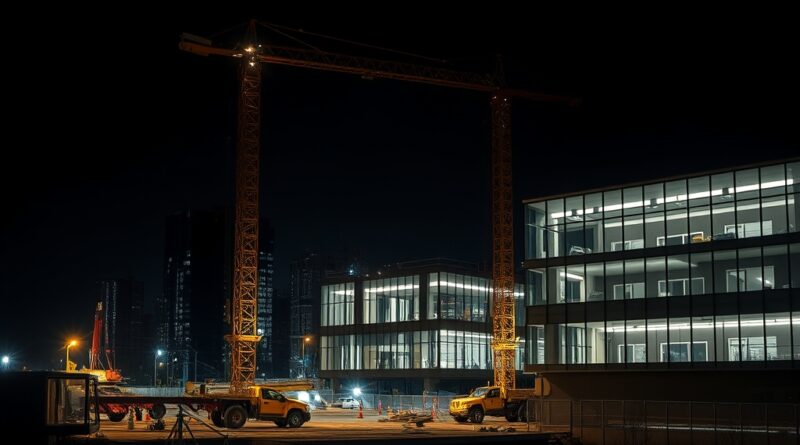
Top Construction Companies Winnipeg: Your Guide to Quality Builders
Top Construction Companies Winnipeg: Your Guide to Quality Builders
Learn more about construction companies winnipeg and how it applies to your specific needs.
When embarking on a building project—whether it’s a new home, a commercial renovation, or an industrial facility—finding the right partner is crucial. The best bring expertise, reliability, and local knowledge to every project. Winnipeg’s construction landscape is diverse, with firms specializing in everything from custom residential builds to large-scale infrastructure. Understanding what sets top companies apart can save you time, money, and stress. This guide explores the key factors to consider when selecting a contractor, the types of services available, and how to ensure your project runs smoothly from start to finish. Whether you’re a homeowner or a business owner, making an informed choice begins here.
Why Local Expertise Matters in Winnipeg Construction
Winnipeg’s unique climate and building codes require specialized knowledge. that have years of local experience understand the challenges posed by freeze-thaw cycles, clay soils, and extreme temperature swings. They know which materials perform best, how to design foundations that resist shifting, and how to schedule work to avoid weather delays. Local firms also have established relationships with suppliers, subcontractors, and municipal inspectors, which can streamline permits and approvals. Choosing a company rooted in the community often means better communication, faster problem-solving, and a deeper commitment to their reputation. For example, a builder familiar with Winnipeg’s zoning bylaws can help you navigate variances or heritage restrictions without unnecessary setbacks.
Types of Services Offered by Winnipeg Construction Firms
The range of services provided by is broad. Many firms handle both residential and commercial projects, from single-family homes to multi-unit apartments, office fit-outs, and retail spaces. Some specialize in custom home building, offering design-build services that integrate architecture and construction under one roof. Others focus on renovations and additions, breathing new life into older homes while preserving character. Industrial construction companies tackle warehouses, manufacturing plants, and agricultural buildings, often with tight deadlines and complex engineering requirements. Additionally, many companies offer project management, site preparation, concrete work, and finishing trades like cabinetry and flooring. When interviewing potential builders, ask about their specific expertise and request portfolios of completed projects similar to yours.
How to Evaluate and Select a Construction Company
Selecting the right contractor requires careful research. Start by asking for recommendations from friends, family, or real estate agents who have worked with . Online reviews and ratings on platforms like Google, Better Business Bureau, and Houzz provide candid feedback. Verify that the company is licensed, insured, and bonded—this protects you from liability and ensures they meet industry standards. Request at least three detailed quotes that break down materials, labor, timelines, and warranties. Don’t choose solely on price; the lowest bid may cut corners or lack proper insurance. Schedule face-to-face interviews to gauge communication style and professionalism. Ask about their safety record, how they handle change orders, and whether they offer post-completion support. A reputable builder will provide references and invite you to visit active job sites to see their work firsthand.
Trends Shaping Winnipeg’s Construction Industry
The construction sector in Winnipeg is evolving with new technologies and sustainability practices. Many are adopting green building methods, such as energy-efficient insulation, solar-ready roofing, and low-VOC materials. Smart home features—like automated lighting, security systems, and thermostats—are becoming standard in new builds. There is also a growing emphasis on modular and prefabricated construction, which reduces waste and speeds up project timelines. In commercial projects, adaptive reuse of older buildings is popular, transforming warehouses into trendy offices or lofts. Additionally, digital tools like 3D modeling, drone surveys, and project management software improve accuracy and communication. Staying informed about these trends can help you discuss options with your builder and incorporate innovations that add value and comfort to your project.
Cost Considerations and Budgeting Tips
Understanding the costs involved in hiring is essential for financial planning. Prices vary based on project scope, materials, location, and seasonality. Custom homes generally cost more per square foot than production homes, while renovations may have hidden expenses like structural repairs or mold remediation. Get a clear contract that outlines payment schedules, milestones, and contingency funds (typically 10-20% of the total budget). Be wary of companies that demand large upfront payments—most reputable firms ask for a deposit and then progress payments as work is completed. Factor in permits, design fees, landscaping, and furnishings. Ask about financing options or if the builder offers any discounts for early booking or bundled services. Keeping a detailed spreadsheet and regular communication with your contractor will help you stay on track financially.
Ensuring Quality and Timely Completion
To avoid delays and subpar work, set clear expectations from the start. Reputable will provide a detailed schedule with milestones for each phase—foundation, framing, rough-ins, drywall, finishes. Regular site meetings and progress photos keep you informed. Insist on a written warranty that covers workmanship and materials for at least one year, and longer for structural components. Check that subcontractors are also licensed and insured. If issues arise, address them immediately in writing. A good contractor will prioritize transparency and resolve problems quickly. Finally, consider hiring a third-party inspector for critical stages like foundation and electrical work. This extra layer of oversight ensures everything meets code and your standards.
FAQs
What should I look for when hiring construction companies in Winnipeg?
Look for proper licensing, insurance, local experience, positive reviews, and a portfolio of similar projects. Always get multiple quotes and check references.
How long does a typical home renovation take in Winnipeg?
Timelines vary widely—a bathroom remodel might take 4-6 weeks, while a full kitchen renovation could take 8-12 weeks. Weather and permit delays can extend timelines.
Are there any permits required for construction in Winnipeg?
Yes, most projects require building permits from the City of Winnipeg. Your contractor should handle the application process and ensure all work meets local codes.
Can I save money by acting as my own general contractor?
While possible, it’s risky unless you have extensive construction experience. Mistakes can cost more than hiring a professional. Most homeowners benefit from a licensed general contractor’s expertise and network.